

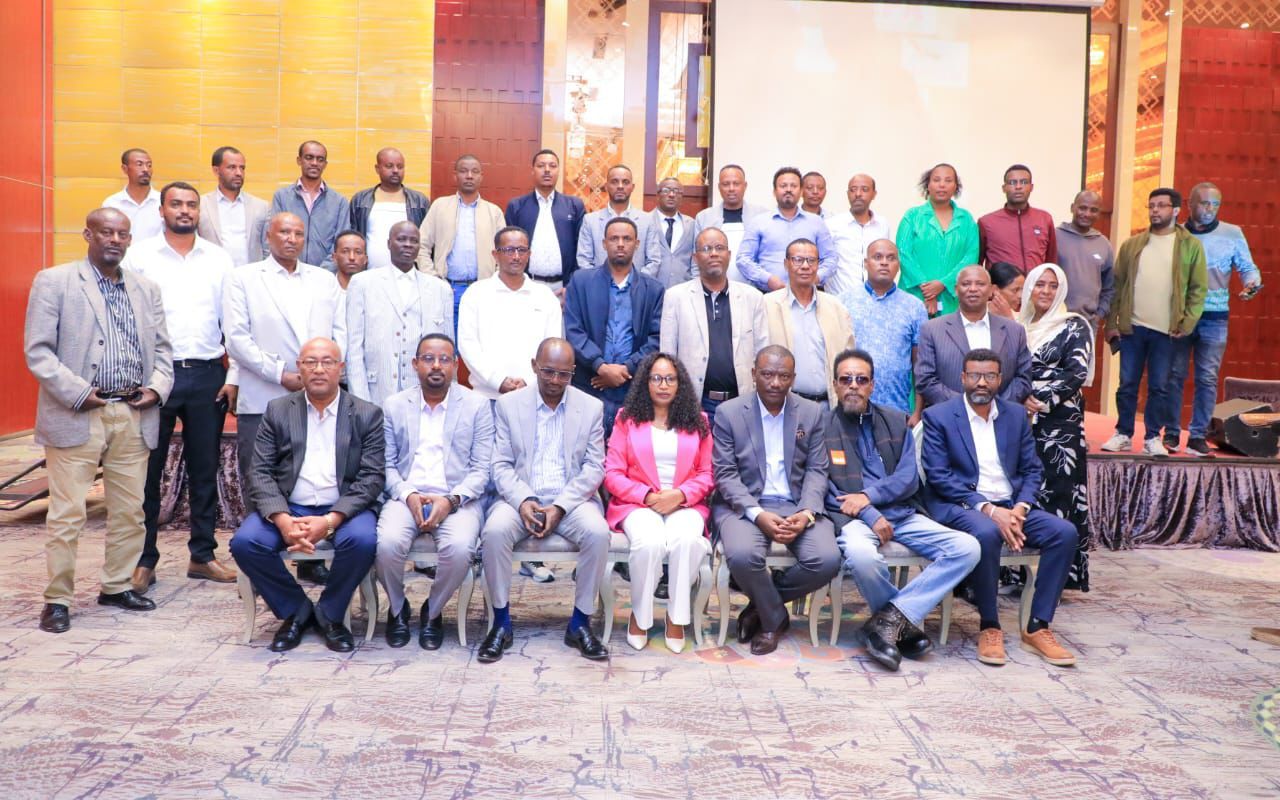
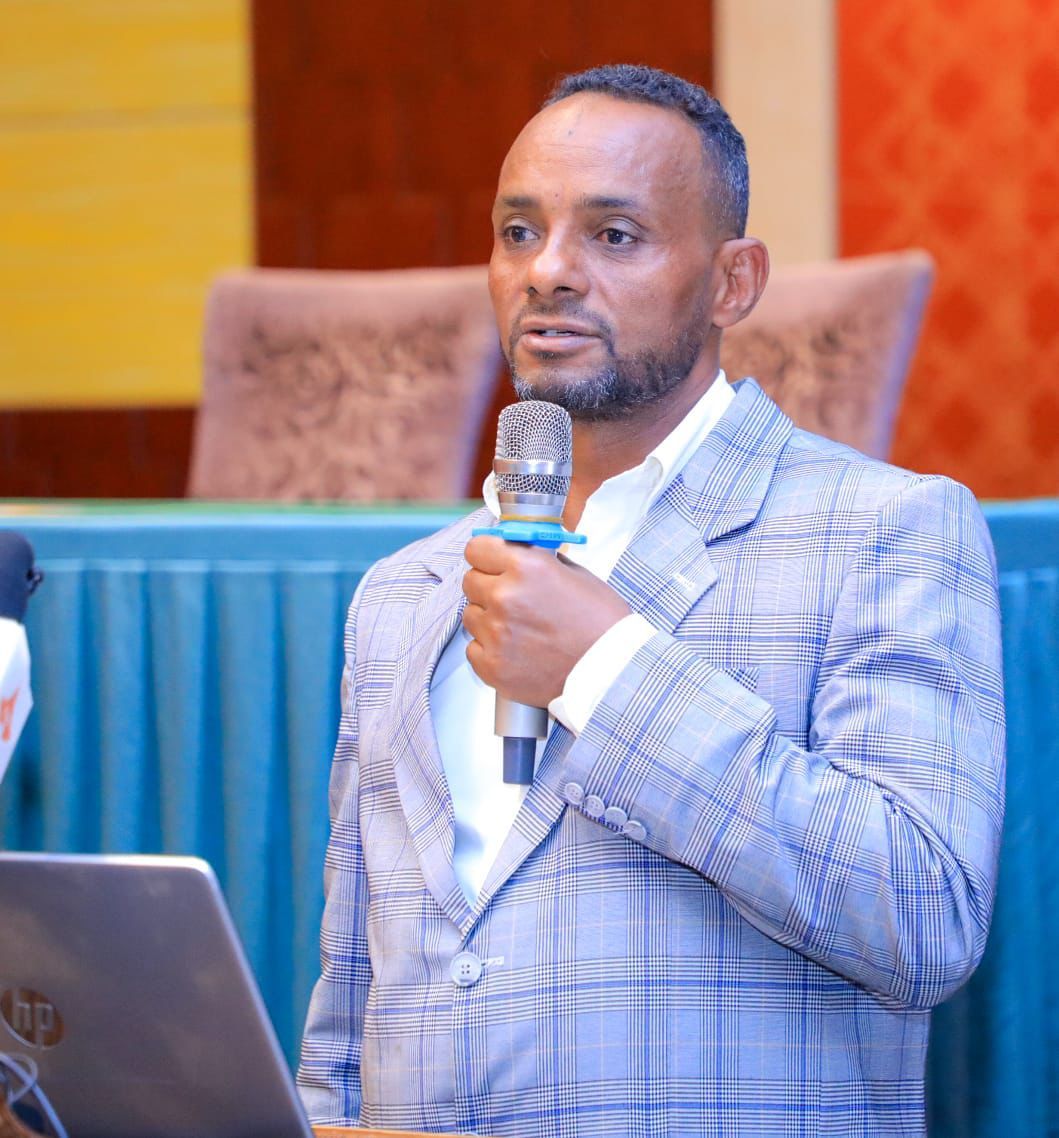
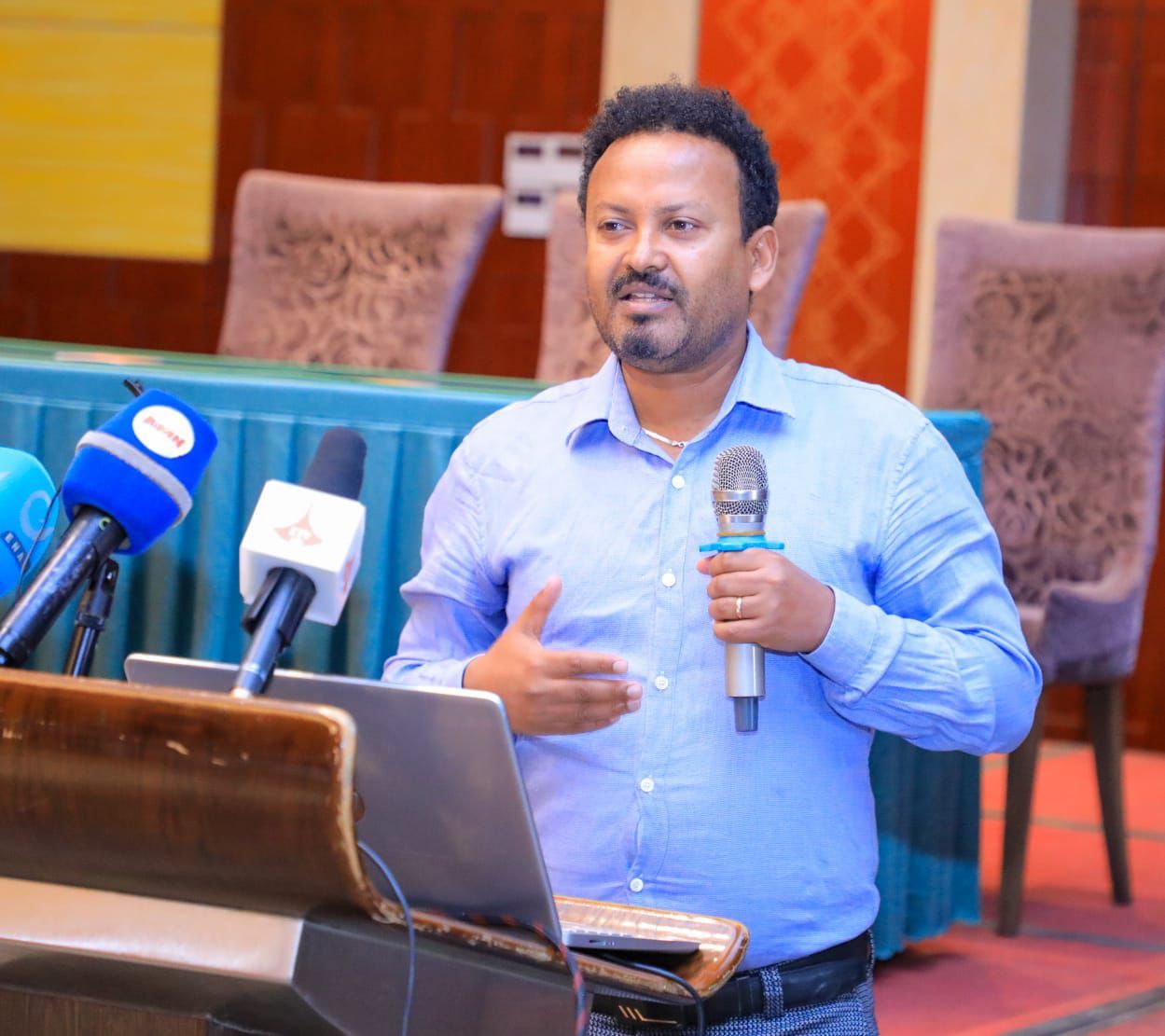
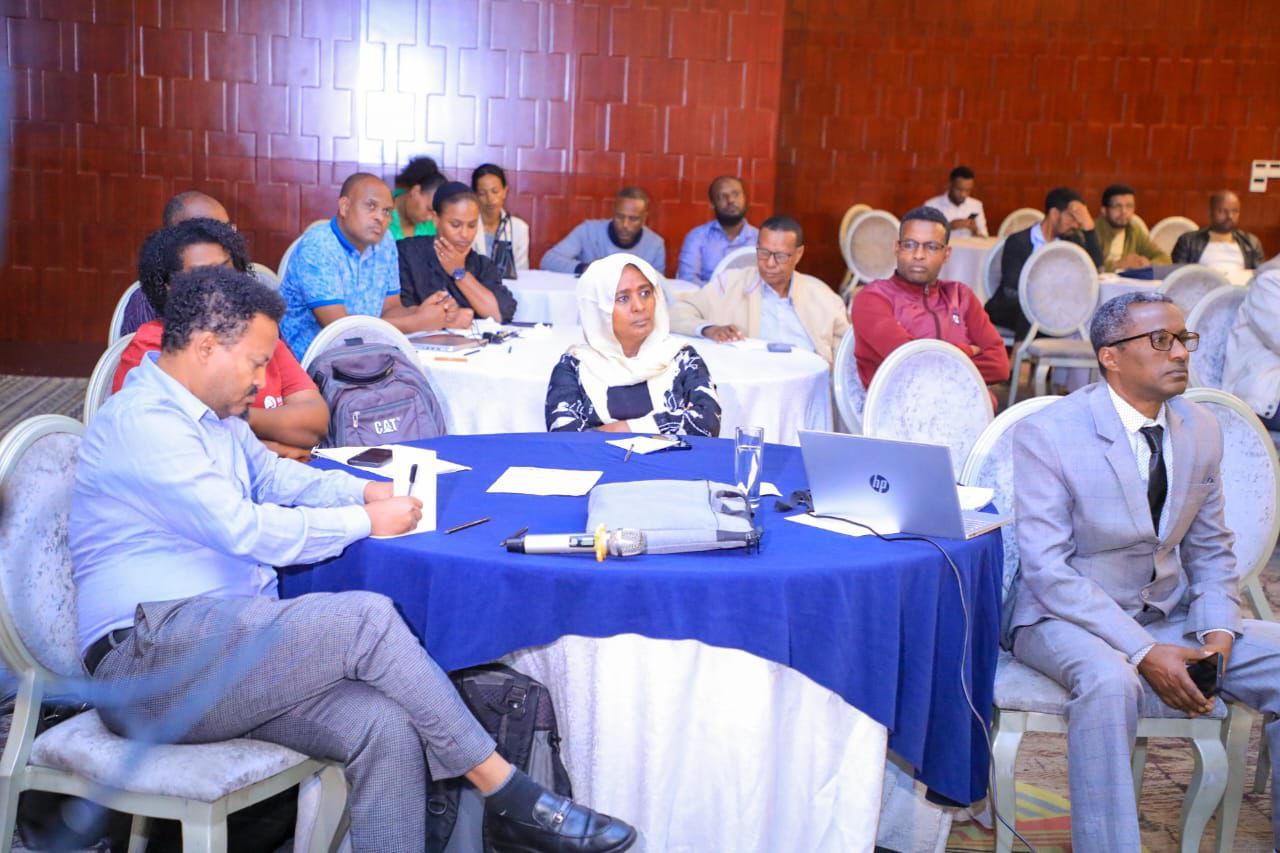
The Environmental Protection Authority today commemorated International Wetlands Day in collaboration with various stakeholders, under the theme “Wetlands and Traditional Knowledge: Celebrating Cultural Heritage.” The event brought together representatives from government institutions, environmental experts, community leaders, and development partners to highlight the critical role wetlands play in environmental sustainability and human well-being.
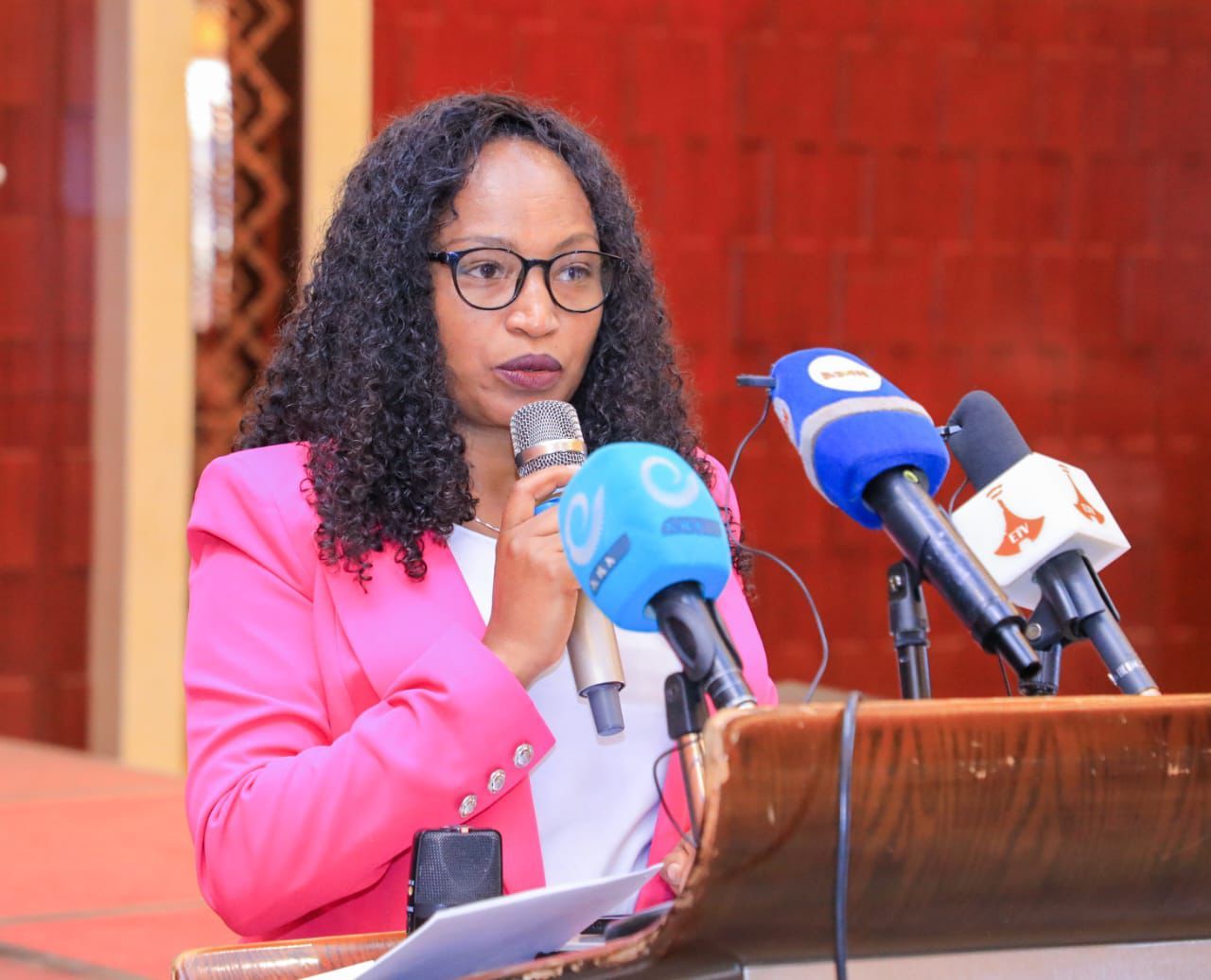
During the event, Deputy Director General of the EPA, H.E. Mrs. Frenesh Mekuria, underscored the importance of cross-sectoral collaboration in the protection, conservation, and proper management of wetlands and stressed that effective wetland management requires coordinated efforts among environmental authorities, water and agricultural sectors, local communities, and other relevant stakeholders to ensure sustainable development outcomes.
H.E Mrs. Frenesh also emphasized the value of indigenous knowledge systems, noting that traditional practices and community-based conservation approaches have long contributed to the sustainable use and preservation of wetlands. She called for the integration of this indigenous knowledge with scientific and policy-driven approaches to strengthen wetland governance and enhance resilience to climate change.
Furthermore, the Deputy Director General highlighted that wetlands are vital ecosystems that support biodiversity, regulate water systems, mitigate floods, and contribute to livelihoods. H.E warned that increasing pressure from urbanization, pollution, and unsustainable land-use practices poses significant threats to wetland ecosystems, making collective action more urgent than ever.
The event concluded with a call to action for all stakeholders to reinforce partnerships, promote awareness, and implement effective policies that safeguard wetlands for present and future generations, in line with national environmental priorities and global sustainable development goals.